What happens if you eat moldy bread?
Don't worry: Swallowing the fuzzy green stuff isn't likely going to do your body harm. The most awful part about eating mold is probably realizing you ate mold. Even though it might make you gag, being totally grossed out is typically the worst thing to result.Can you rip mold off bread and eat it?
With foods like fruit, bread, and soft cheese and vegetables the mold permeates the food, and it's not safe to eat (seriously, not even a little bit). According to the USDA, mold can grow deep roots and eating soft moldy foods — even if you've cut out the visible moldy part — could be dangerous to your health.How soon after eating mold do you get sick?
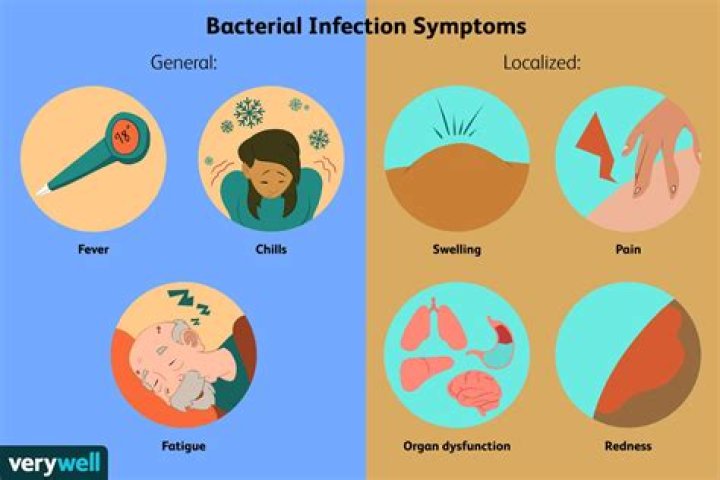
Q: How long after eating moldy bread will I get sick? If you end up getting sick from eating bad bread, it will happen within a few hours. Moldy bread can cause nausea, vomiting, diarrhea, and other symptoms.Is mold on bread penicillin?
Penicillin Allergy. Modern-day penicillin antibiotics are produced synthetically and are not contaminated with mold particles.Never Eat The ‘Clean’ Part Of Moldy Bread
What happens if you eat a little mold?
Chances are you won't have any ill effects after eating a bit of mold… but it's def not something you should actively try to do. The good news is that mold generally tastes pretty bad, so you'll likely notice it and spit it out. Even if some does slip past your guard, it's unlikely to make you sick.Are white spots on bread mold?
Those white spots are mold. It usually means that the bread bag, or whatever container you store the bread in, was not properly sealed and this allowed mold to grow on the bread. Note that whether we are talking about white spots, or light green or yellow furry sections or worse, please do NOT eat the bread.How do you keep bread from molding?
To prevent molding, you want to keep the bread in a cool, dry place that's out of direct light. Moisture, warmth, and light promote mold growth, so you need to avoid these. If you're storing your bread for any longer than a week, you should freeze it to stop both staling and mold.Does Refrigerating bread make it last longer?
*Never keep your bread in the fridge. The starch molecules in bread recrystallize very quickly at cool temperatures, and causes the bread to stale much faster when refrigerated. *Shop-bought loaves should be kept in an air-tight plastic bag at room temperature rather than in the fridge.Why does bakery bread mold faster?
Homemade bread molds faster than store-bought bread because it's harder to control its acidity levels and may contain fewer preservatives.Does keeping bread in the fridge prevent mold?
Not matter what anyone else tells you, your fridge is not the place to store bread. In fact, putting bread in the fridge is a good guarantee that you're going to have stale bread in as little as one day. What is this? While you may be preventing the growth of mold, you're just reducing the shelf life of the bread.What should I do if I accidentally ate mold?
Look out for food poisoning-like symptoms like nausea, vomiting, and diarrhea. Individuals who suffer from asthma or other respiratory issues should watch for signs of an allergic reaction. If you've consumed moldy food and are concerned about your health, contact your doctor immediately.What color is mold on bread?
Typically, Aspergillus mold spots on bread are yellow or light green in color. Some strains of Aspergillus molds growing on bread can also produce mycotoxins and should not be consumed.How do you know when bread is bad?
How to tell if bread has gone bad
- Mold. Mold is a fungus that absorbs nutrients in bread and grows spores, producing fuzzy spots that may be green, black, white, or even pink. ...
- Unpleasant odor. If the bread has visible mold, it's best not to smell it in case its spores are harmful to inhale. ...
- Strange taste. ...
- Hard texture.
What if my child eats moldy bread?
If your child eats mouldy food, he can have an upset tummy and sometimes even vomiting and diarrhoea. Some children develop allergic reactions, most commonly respiratory allergic reactions, to mould. Take your child to the doctor if he has allergic symptoms.What are signs of mold sickness?
If you're sensitive to mold, you may experience the following symptoms:
- sneezing.
- nasal congestion.
- runny nose.
- skin rash.
- itching.
- watery eyes.
- asthma.
- chest tightness.